
I recently finished my annual April project of putting away winter clothes and bringing out spring attire. This same routine repeats in October when I shuffle my wardrobe into warmer winter apparel.
It has become a more detailed task for me over the years since my Traumatic Brain Injury. To the casual observer, it may seem a little obsessive. To anyone who has experienced brain injury or lived with someone who has, it’s a necessary start to my day.
My closet must be divided into categories that make sense to me and make it easier to dress appropriately. For example: a light blouse will have a sweater hanging with it; a simple reminder to take an extra layer in case of weather changes. Now that I’m able to work again, I allow for only two choices, put the clothes out in the evening. This helps with cognitive overload and the tendency to change into one outfit after another, wasting time.
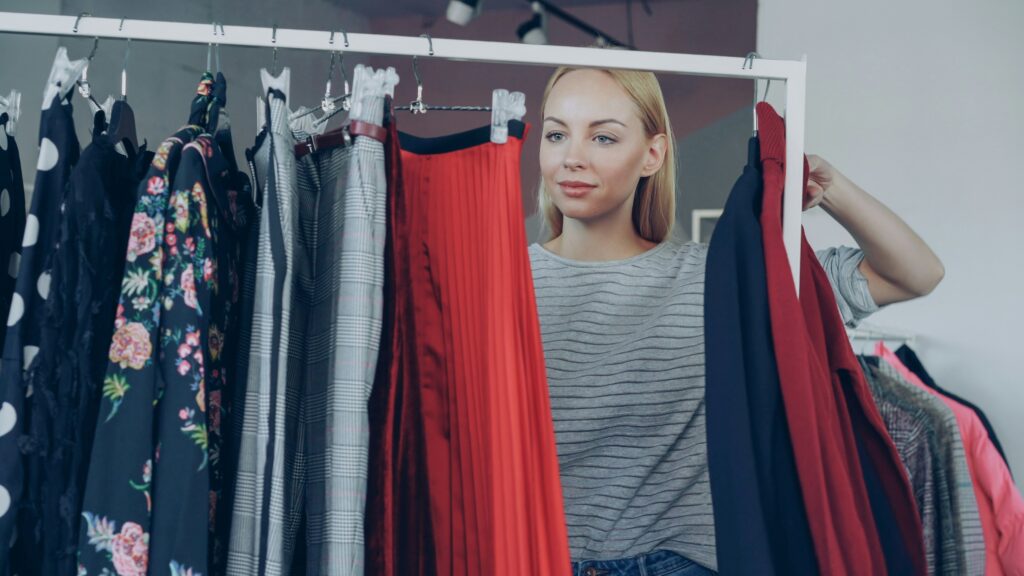
I think my family could have made a comedy movie over my clothing choices initially following my injury. Opening the closet doors in the morning was completely overwhelming! Visually, I could not process what I was looking at or distinguish between pants, skirts, sweatshirts, etc. The fatigue of having to make a choice was enough to bring me to tears. I struggled with keeping my balance long enough to pull on my pants. With little awareness of appropriate choices, I showed up at gatherings with shirts on backwards, a tank top in winter, ghastly colour combinations – a fashion fiasco!
Brain injury significantly affects how a person dresses due to physical, cognitive, and emotional changes. Challenges with motor skills (coordination, weakness) make manipulating buttons/zippers difficult. Cognitive issues can lead to forgetting to dress, wearing clothes backward or difficulty choosing outfits, while sensory issues may cause discomfort with certain fabrics.
One can experience visual neglect. Some survivors may only dress one side of the body due to reduced awareness of the left or right side. In my case, I completely forgot how to tie my shoes! Opting for slip-ons, I would occasionally show up with an unmatched pair.
Here’s where my Occupational Therapist stepped in and saved the day with some basic strategies to improve independence.
- Simplified choices: to help with motivation and lessen confusion, offer only two alternatives, such as a sweater or cardigan.
- Step-by-step approach: use checklists and break down the dressing process into manageable steps.
- Environmental control: perform dressing tasks in a quiet, low distraction environment.
- Specialist Aids: Utilize tools such as zipper pulls, button hooks or long-handled shoehorns to assist with dexterity issues.
Last night, I went to see the movie “The Devil Wears Prada – Part Two.” It was indeed entertaining and insightful. We live in a society where we truly do express ourselves through our fashion choices. Whether it’s browsing through a vintage secondhand store, or finding that perfect dress in an upscale boutique, that outfit makes a statement of who we are, how we see ourselves.
It’s spring, almost summer and what better time to choose attire that makes you happy. Time to get out there and strut your stuff!